How to Make Flower Subscriptions Gentler on the Planet
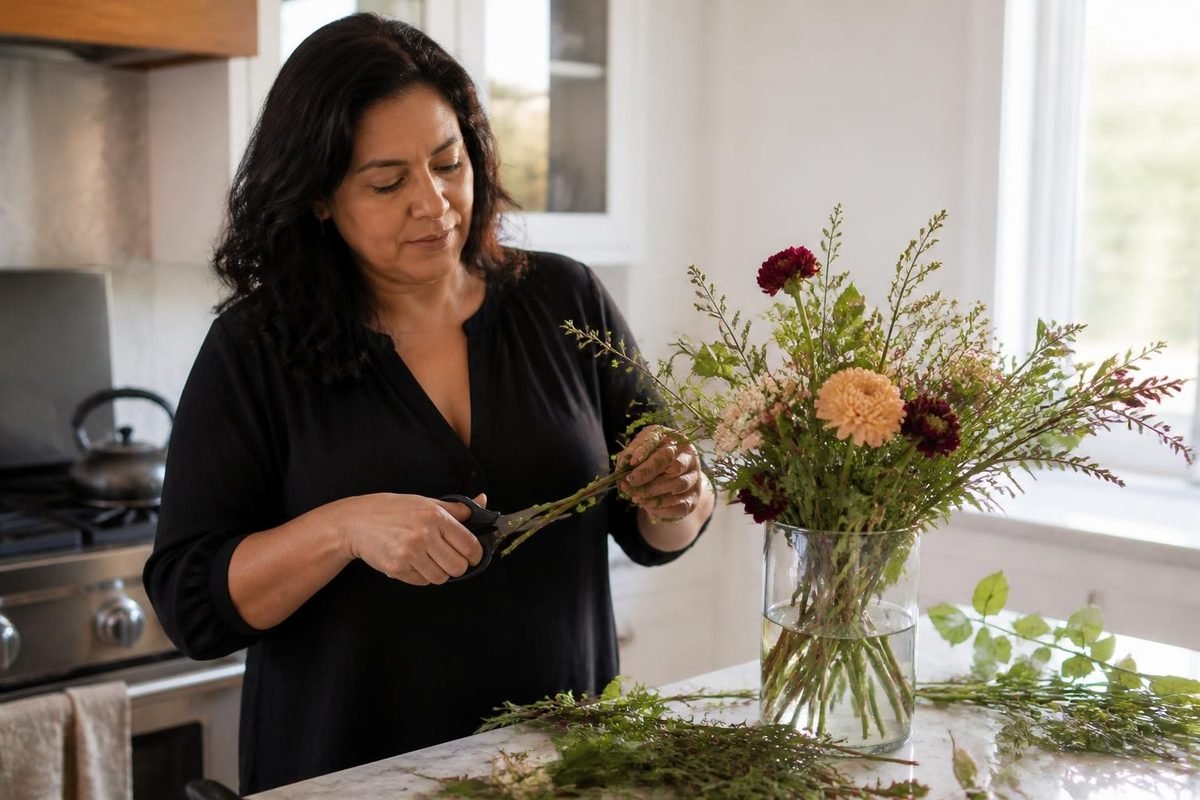
A flower subscription can be a more thoughtful choice when it brings lasting enjoyment without adding avoidable waste. Seasonal blooms, a fitting delivery rhythm, careful packaging, and attention to how flowers are grown and moved all play a part.
Let the season guide the bouquet
Flowers grown during their natural season may require less energy for heating and lighting than blooms produced out of season in controlled environments. A subscription with changing selections can follow what is available throughout the year instead of offering identical flowers every month.
Choosing flowers grown nearby may shorten their trip to the recipient, but distance is only one piece of the picture. Growing practices, storage, and transport also shape a flower’s environmental impact. If those details matter to you, ask the provider about them rather than treating a local description as the only measure.
It can help to welcome a mix of stems and colors. A seasonal arrangement may look different with each delivery, and that change can bring variety to the gift.
Set a delivery pace the recipient can enjoy
A subscription works best when the recipient has enough room and time to appreciate each bunch. Regular deliveries may be welcome, but closely spaced arrivals can mean fresh flowers turn up before the previous ones have faded. More time between deliveries can let each arrangement be enjoyed on its own.
Check whether the plan makes it easy to pause or skip a delivery. That option can be helpful during a trip, a busy stretch, or a week when flowers are not wanted. Asking the recipient about their preferences before arranging a subscription can help prevent unwanted deliveries.
Keep these useful points in mind:
- Choose delivery gaps that suit how long the recipient usually enjoys their flowers.
- Make sure deliveries can be paused or adjusted without difficulty.
- Select a bouquet size that works with the recipient’s home and vases.
- Look for clear details about flower origins and growing methods.
Reduce packaging and help blooms last
Packaging protects flowers on their way to a home, yet it can leave materials that need to be thrown away. Using less, choosing recyclable materials, or sending a reusable container may reduce what the recipient has to dispose of. Recycling guidance differs by place, so materials marked recyclable are not necessarily accepted in every area.
Longer-lasting flowers can make each delivery more rewarding. Start with a clean vase, cut the stem ends, and refresh the water often. Keep flowers out of strong sunlight and away from heat, then take out individual stems as they begin to fade.
When an arrangement is past its best, suitable plant parts can go into a home compost system or an available composting service. Take off ribbons, wire, and any other nonplant pieces first.
Helpful questions before choosing
Does buying nearby always have a lower impact?
No. A shorter trip may be beneficial, but production conditions and transport choices count as well. Ask about both if the provider can share the information.
Will each delivery come with a vase?
That varies between subscriptions. If the recipient already owns a suitable vase, flowers supplied without an extra container may avoid sending something they do not need.
On the same subject: https://greensys2019.org/pochemu-srezannye-cvety-vyanut-ranshe-vremeni/